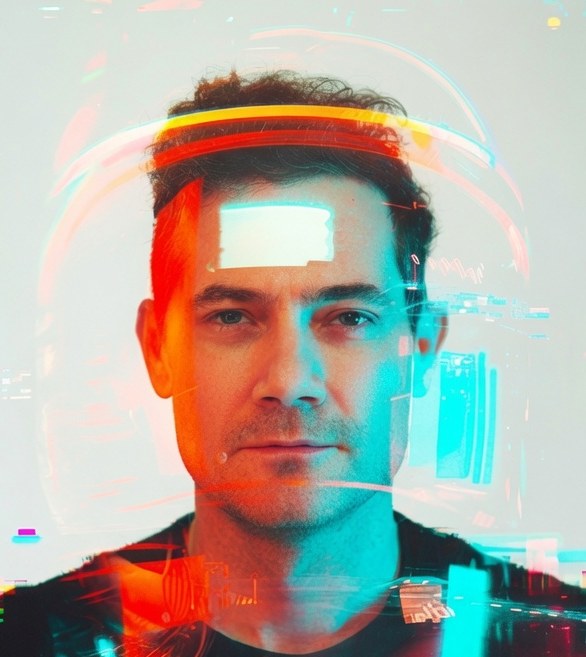
What I'm building
I build tools to help humanity get to a very big and wonderful future. Somewhere in the last few years, emulating a mind stopped being science fiction and became an engineering problem.
I co-founded Eon, a public benefit corporation building reliable, scalable, and provably human emulation of intelligence from neurobiological detail — and aiming to make it a real option for humanity within the decade.
I believe this is a safer path than de novo AGI — whether the risk comes from bugs or bad actors — and one of the few that lets humanity actually participate in a world with superintelligence. Mapping the architecture of the human brain also makes AI more robust and more human, and along the way helps us understand the brain itself, including how to cure its diseases.
Previously
-
01
Atomos Co-founder · now advising
Strategy, recruiting, fundraising, and building optical computers and massively parallel optical networking. I explored alternative computing — superconducting single-flux-quantum logic — and did hands-on Si and Nb microfabrication. My brother now runs it with a cracked team of electronics, optical engineers and physicists, focused on humanoid robotics. atomos.systems
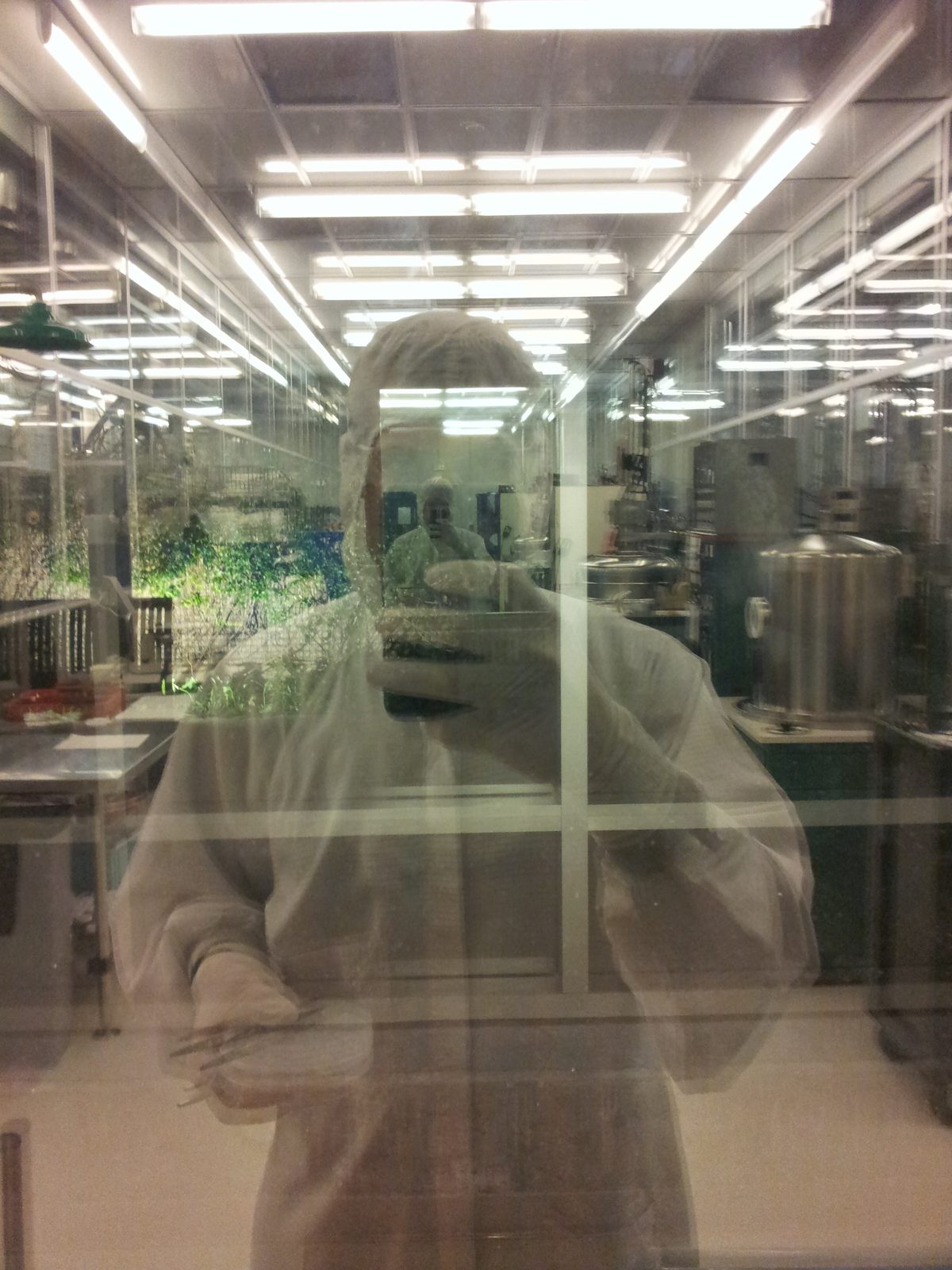
In the fab — where the instruments get built. -
02
Some interests
the future of life whole-brain emulation connectomics AI safety machine intelligence longtermism global priorities research transhumanism unconventional computing organ preservation self-identity population ethics kaizen archiving productivity ultralight travel
I'm working on an equation to help prioritize causes, and I'd like to see more experiments testing the simulation hypothesis.
Talks & press
How to reach me
I'm always glad to meet exceptional people in optical machine learning, data pipelines, image processing, and computational neuroscience — builders, systems engineers, and researchers.
Or just send me a note below. Anything at all — a question, an idea, a hello. No subject lines, no formalities; a sentence is plenty.